

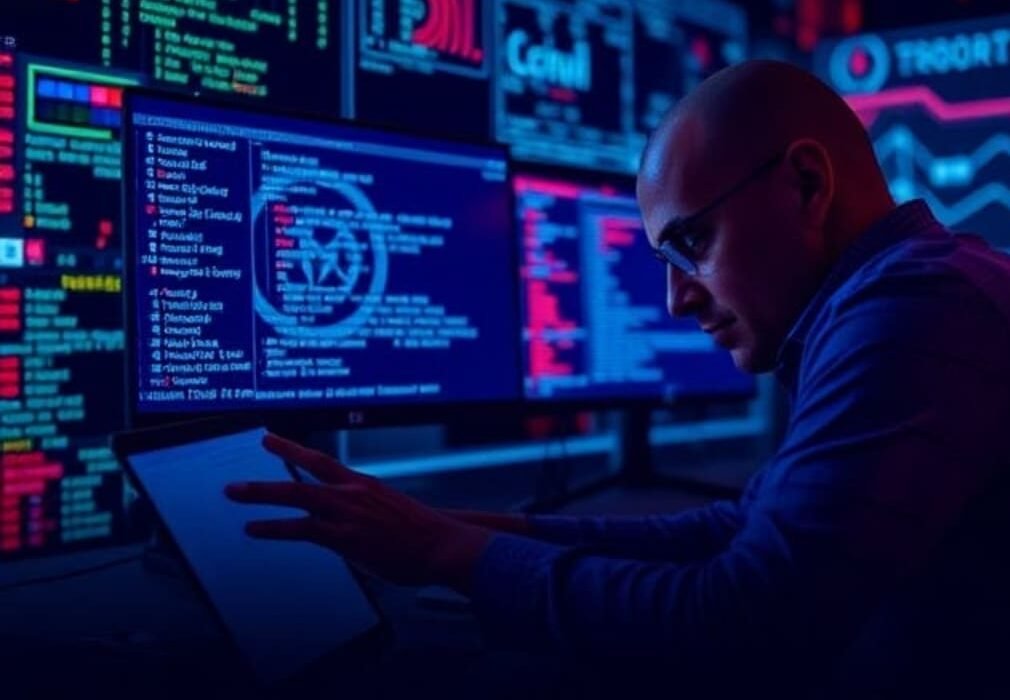
Ethical Hacking: Protecting Systems in the Digital Age
🌐 Introduction
In today’s connected world, cyber threats are increasing rapidly. Hackers constantly try to exploit system weaknesses for financial gain or data theft. To fight against these threats, the field of Ethical Hacking has become extremely important in Information Technology.
Ethical hacking helps organizations find security vulnerabilities before malicious hackers can exploit them.
💻 What is Ethical Hacking?
Ethical hacking is the practice of legally testing computer systems, networks, and applications to identify security weaknesses.
Unlike illegal hacking, ethical hackers:
- Have permission from organizations
- Work to improve security
- Protect systems from cyberattacks
They are also known as “White Hat Hackers.”
🧠 Types of Hackers
1. White Hat Hackers (Ethical Hackers)
- Work legally
- Improve security systems
- Employed by companies
2. Black Hat Hackers
- Illegal hackers
- Steal or damage data
- Cause cybercrime
3. Grey Hat Hackers
- Operate between legal and illegal
- May find vulnerabilities without permission
🔍 What Do Ethical Hackers Do?
Ethical hackers perform several important tasks:
- Penetration testing (system testing)
- Vulnerability assessment
- Network security analysis
- Security audits
- Malware detection
Their goal is to strengthen system security.
🛠️ Tools Used in Ethical Hacking
Ethical hackers use advanced tools such as:
- Kali Linux
- Wireshark
- Metasploit
- Nmap
- Burp Suite
These tools help analyze and test system security.
🔐 Importance of Ethical Hacking
Ethical hacking is essential for modern organizations because:
- It prevents cyberattacks
- Protects sensitive data
- Improves system security
- Reduces financial loss
- Builds customer trust
Without ethical hacking, systems remain vulnerable to attacks.
🚀 Ethical Hacking in Businesses
Companies today rely heavily on ethical hackers to secure their digital infrastructure.
They help businesses:
- Secure websites and apps
- Protect customer data
- Prevent hacking attempts
- Ensure safe online transactions
It is a critical part of modern cybersecurity strategies.
⚠️ Legal and Ethical Guidelines
Ethical hackers must always follow strict rules:
- Work with permission only
- Follow legal regulations
- Respect user privacy
- Report vulnerabilities responsibly
Any misuse of hacking skills can lead to legal consequences.
🔮 Future of Ethical Hacking
As technology grows, cyber threats will also increase. The demand for ethical hackers is expected to rise significantly.
Future trends include:
- AI-based security testing
- Automated penetration testing
- Advanced threat detection systems
- Cloud security specialization
Ethical hacking will remain a key part of cybersecurity.
🔚 Conclusion
Ethical hacking plays a vital role in protecting digital systems from cyber threats. It ensures that organizations stay secure in an increasingly connected world.
Companies like Nexora Matrix are focusing on strong cybersecurity practices, including ethical hacking, to build safer and more reliable IT solutions.