


Why Cybersecurity is More Important Than Ever in 2026
🌐 Introduction
In today’s digital era, cybersecurity has become one of the most critical aspects of Information Technology. As businesses and individuals increasingly rely on online systems, the risk of cyberattacks, data breaches, and digital fraud has also increased significantly.
Cybersecurity is no longer optional—it is a necessity for protecting sensitive information, maintaining trust, and ensuring smooth digital operations.
⚠️ The Rise of Cyber Threats
With the rapid growth of technology, cybercriminals are also becoming more advanced. Attacks are now more sophisticated and harder to detect.
Common cyber threats include:
- Phishing attacks (fake emails and websites)
- Ransomware (data locking attacks)
- Malware and spyware
- Data breaches and identity theft
These threats can cause financial loss, reputational damage, and legal issues for businesses.
🧠 Why Cybersecurity Matters for Businesses

Every business, regardless of size, is at risk of cyberattacks. Strong cybersecurity helps protect valuable digital assets.
Key reasons cybersecurity is essential:
- Protects customer data and privacy
- Ensures business continuity
- Builds trust with clients
- Prevents financial losses
- Secures online transactions
A single security breach can damage years of hard-earned reputation.
🔐 Key Cybersecurity Practices
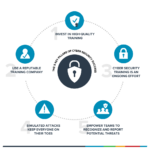
To stay safe in the digital world, companies must adopt strong security measures.
Important practices include:
- Using strong passwords and authentication systems
- Installing firewalls and antivirus software
- Regular system updates and patches
- Employee cybersecurity training
- Data encryption and secure backups
Prevention is always better than recovery when it comes to cyber threats.
☁️ Role of Cloud Security

With the rise of cloud computing, securing cloud environments has become equally important. Businesses must ensure their cloud data is properly protected.
Cloud security focuses on:
- Secure access control
- Data encryption
- Monitoring suspicious activities
- Backup and disaster recovery systems
🤖 Future of Cybersecurity
The future of cybersecurity will heavily rely on Artificial Intelligence and machine learning. These technologies will help detect threats in real-time and respond faster than human systems.
Future trends include:
- AI-based threat detection
- Zero-trust security models
- Automated incident response
- Advanced biometric authentication
🔮 Conclusion
Cybersecurity is the foundation of a safe digital world. As technology continues to grow, so do cyber risks. Businesses must invest in strong security systems to protect their data, customers, and reputation.
For IT companies like Nexora Matrix, cybersecurity is not just a service—it is a responsibility towards building a secure digital future.